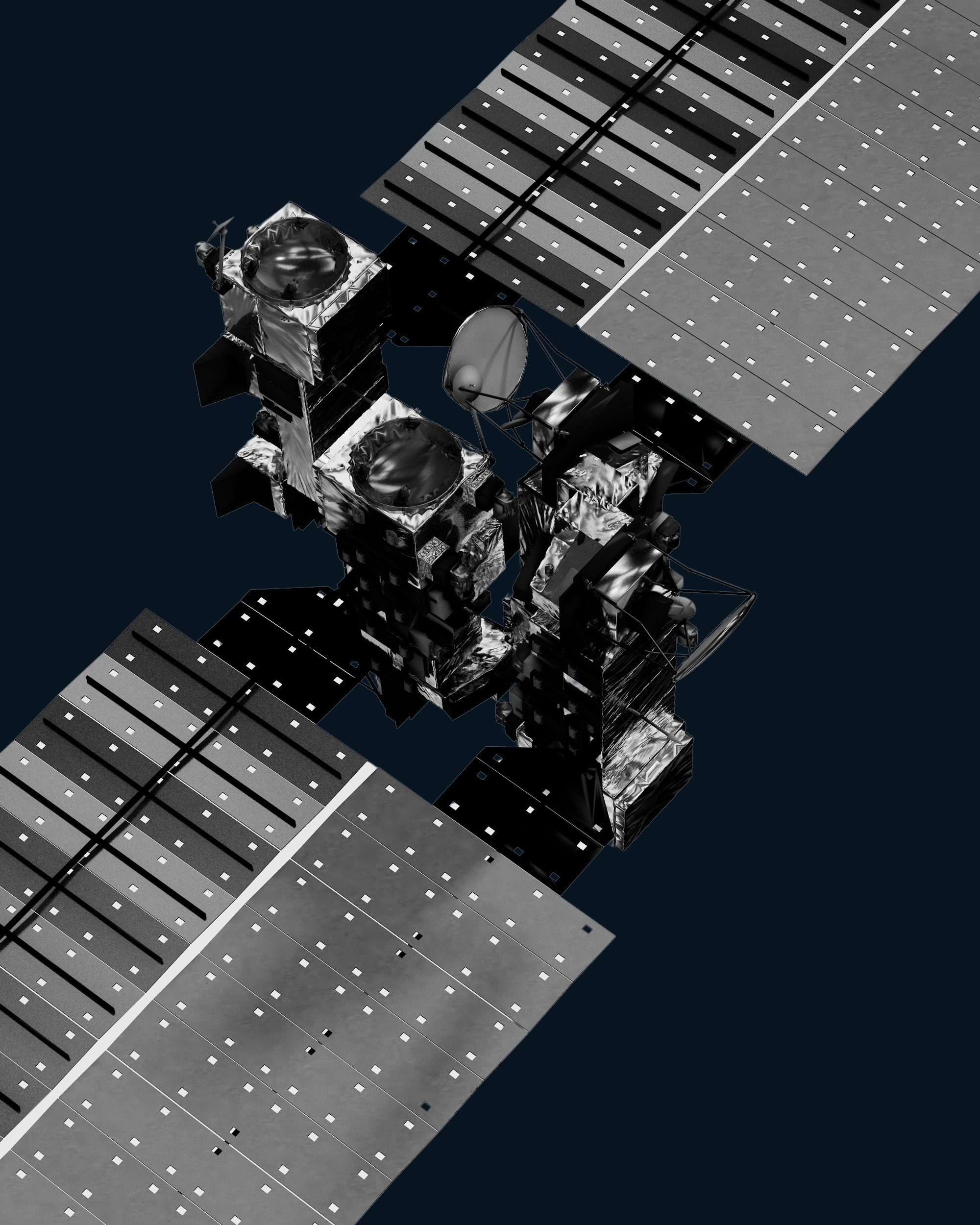











BRUSSELS — The European Union is intensifying efforts to bolster its strategic autonomy in space by investing in advanced microelectronics and critical technologies. This initiative aims to reduce reliance on non-European suppliers and position Europe at the forefront of the rapidly evolving global space sector.
Over the past decade, the European Commission has prioritized the development of indigenous space capabilities. Through successive framework programs, including the current Horizon Europe initiative, the EU has focused on identifying and addressing technological gaps critical to its space missions. By collaborating closely with industry partners, the Commission seeks to develop technologies that can be swiftly commercialized, ensuring both strategic and economic benefits.
A key aspect of this strategy is the advancement of Electrical and Electronic Equipment (EEE) components essential for next-generation satellite systems and space instrumentation. The EU is expanding its portfolio in this area, with upcoming opportunities in the EU Space Research and Innovation Work Programme 2025 set to further this effort. These investments are designed to establish a robust foundation for future space endeavors, ensuring that European missions have access to state-of-the-art technologies developed within the continent.
In line with these objectives, European ministers have demonstrated their commitment by approving a 17% increase in the European Space Agency’s budget compared to the previous Ministerial meeting in 2019. This financial boost underscores Europe’s determination to strengthen its autonomy, leadership, and sustainability in space.
Complementing these efforts, European companies are taking significant steps to secure sovereignty in advanced semiconductor technologies for space applications. For instance, Frontgrade Gaisler is leading an ambitious initiative under a contract with the European Space Agency to develop Ultra Deep Sub-Micron (UDSM) semiconductor technology, utilizing nodes as advanced as 7 nanometers. This project aims to provide foundational technology for some of the world’s most sophisticated integrated circuits used in space.
Furthermore, the EU is actively pursuing the development of its own satellite constellations to provide secure and resilient communication services. The IRIS² project, for example, is a €10.6 billion initiative aimed at deploying a network of 290 satellites by 2030. This constellation is expected to offer high-speed internet access and secure communications, positioning Europe as a competitor to existing networks like SpaceX’s Starlink.
These collective efforts reflect a broader strategy to ensure that Europe remains a key player in the global space arena. By investing in critical technologies and fostering collaboration between public institutions and private industry, the EU aims to build a resilient and competitive space sector capable of meeting the challenges of the future.
Image Credits: Igor Mashkov