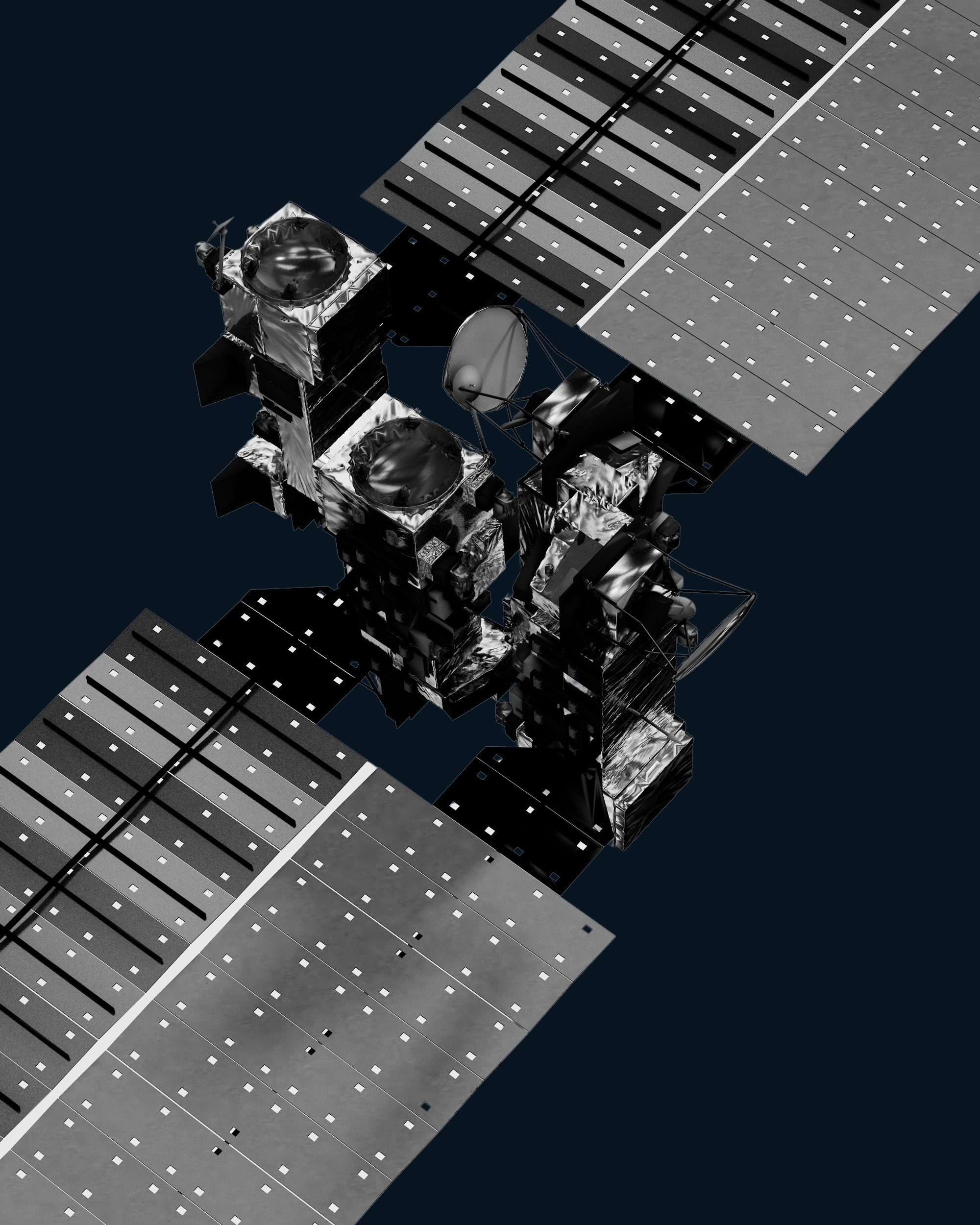











Rocket Lab USA finalized the acquisition of Geost, LLC, for about $275 million in a deal that included $125 million in cash, more than 3 million shares of common stock and up to $50 million in performance-based earnouts. The addition brings electro-optical and infrared payload capabilities into Rocket Lab’s portfolio, strengthening its role in U.S. defense space architecture.
Deal Details and Strategic Expansion
Long Beach-based Rocket Lab has completed its previously announced acquisition of Geost, a developer of electro-optical and infrared (EO/IR) sensor systems used in missile warning, surveillance, reconnaissance, Earth observation and space domain awareness missions. The deal, officially closed this week, comprised an initial payment of $125 million in cash, issuance of 3,057,588 Rocket Lab common shares, and potential additional payouts of up to $50 million tied to Geost’s revenue performance post-acquisition.
Geost, headquartered in Arizona with operations in Virginia, has a long record of classified and unclassified U.S. government missions. Under Rocket Lab, Geost’s manufacturing and lab facilities and its intellectual property portfolio become part of Rocket Lab’s expanded optical systems capability. This enables Rocket Lab to integrate payload technologies alongside its existing launch and satellite manufacturing services, positioning the company as a comprehensive provider for national security spacecraft needs.
Industry Context and Market Impact
By integrating Geost’s EO/IR payload systems, Rocket Lab moves deeper into national security space markets traditionally dominated by top-tier defense primes. The acquisition supports Rocket Lab’s emerging role in U.S. government programs such as the “Golden Dome for America” concept and the Space Development Agency’s Proliferated Warfighter Space Architecture. These initiatives emphasize resilient, rapidly deployable sensor networks in low Earth orbit, designed for low-latency intelligence and surveillance.
The acquisition arrives as Rocket Lab ramps up its manufacturing throughput through facilities such as Arsenal-1. The company’s expanded production capacity may enable scaled delivery of space systems, offering U.S. agencies greater speed and flexibility. While larger defense contractors maintain a strong presence in optical payloads, Rocket Lab’s vertically integrated model aims to reduce integration risk and lead time.
Outlook and Next Steps
With Geost now under its umbrella, Rocket Lab gains a strategic payload capability. The company is expected to leverage its production infrastructure to scale Geost’s payloads across national security programs, offering single-brand systems that include launch, spacecraft, and now optical sensors. Integration focus in coming months will include aligning Geost’s operations with Rocket Lab’s broader systems suite and pursuing contractual opportunities linked to U.S. defense architecture efforts. Competitors will closely monitor Rocket Lab’s progress as it challenges traditional suppliers in the payload and spacecraft supply chain.