








BRUSSELS — In a significant move to enhance Europe’s defense autonomy, the European Union has unveiled the “Readiness 2030” initiative, a comprehensive strategy aimed at strengthening the continent’s military capabilities by the end of the decade. This initiative, previously known as the “ReArm Europe Plan,” was renamed following concerns from member states, notably Italy and Spain, over its militaristic connotations.
The plan outlines a financial commitment of up to €800 billion over the next four years. A central element is the temporary suspension of certain EU budgetary constraints, allowing member states to increase defense spending and potentially unlocking €650 billion. Additionally, €150 billion in loans will be made available for joint defense projects, including the development of advanced air and missile defense systems. To further support the initiative, existing EU funds will be redirected toward defense investments, and the European Investment Bank (EIB) will ease lending restrictions for the defense sector. The EU also aims to establish mechanisms to attract private capital to bolster defense-related industries.
A crucial aspect of “Readiness 2030” is its focus on strengthening Europe’s defense industry. The plan stipulates that at least 65 percent of defense equipment procurement should come from within the EU, Norway, or Ukraine. This “Buy European” approach is designed to reduce reliance on non-European suppliers while reinforcing the continent’s defense industrial base.
The rebranding from “ReArm Europe” to “Readiness 2030” was prompted by objections from Italian Prime Minister Giorgia Meloni and Spanish Prime Minister Pedro Sánchez, who voiced concerns over the original name’s aggressive undertones. The new title reflects a broader commitment to preparedness and strategic autonomy, rather than an emphasis on militarization.
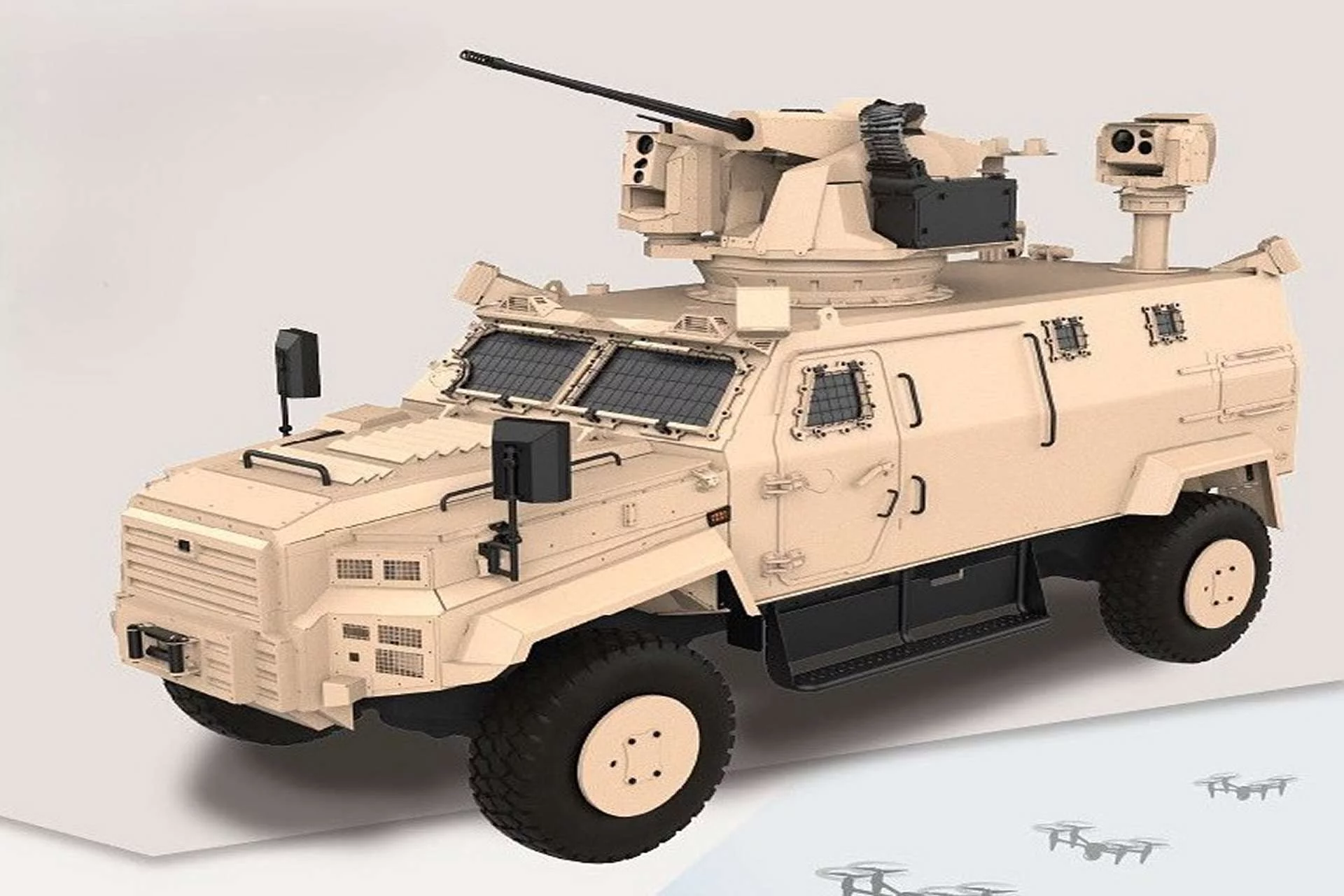
Despite its ambitious scope, the initiative has sparked controversy over the exclusion of major non-EU defense companies, particularly those from the United States, the United Kingdom, and Turkey. Unless these countries establish specific defense and security agreements with the EU, their firms will be ineligible to participate in projects funded under the plan. This restriction has raised concerns about potential impacts on transatlantic defense cooperation and the competitiveness of the European defense market.
With “Readiness 2030,” the EU is taking a decisive step toward greater responsibility for its own security. By investing heavily in defense capabilities and promoting industrial self-sufficiency, Europe seeks to ensure that it is prepared for future geopolitical challenges and can respond to threats with increased independence.
Image Credits: Somchai Kongkamsri / Pexels