









PARIS — The European Space Agency (ESA) has introduced its Strategy 2040, outlining a comprehensive vision to improve Europe’s position in the global space sector over the next 15 years. This strategic roadmap emphasizes increased autonomy, technological innovation, and collaborative efforts to address pressing challenges such as climate change and economic growth.
The ESA strategy is built on a foundation of five key objectives. One of its central goals is to protect the planet and combat climate change by leveraging space-based technologies for environmental monitoring. ESA aims to enhance Earth observation capabilities to provide critical data for climate modeling and disaster response. At the same time, the agency is committed to expanding space exploration efforts through both robotic and human missions. This includes lunar and Mars expeditions, as well as deep space research to advance scientific discovery.
A major component of Strategy 2040 is the emphasis on European autonomy in space activities. ESA is determined to achieve independent access to space and reduce reliance on non-European technologies. The strategy highlights the necessity for Europe to develop its own launch systems and secure autonomous operational capabilities. Given recent geopolitical shifts that have exposed vulnerabilities in global supply chains, strengthening European resilience in space has become a top priority.
ESA Director General Josef Aschbacher underscored the importance of this strategic direction, emphasizing that Strategy 2040 provides a stable, long-term vision for the agency. While ESA remains committed to international partnerships, the strategy calls for intensified collaboration among European nations to ensure shared technological and industrial growth. A key aspect of this plan is the advancement of Europe’s space transportation capabilities. ESA is investing in next-generation launch systems that are both cost-effective and environmentally sustainable, including the development of reusable launch technologies to enhance competitiveness in the global market.
Economic growth and innovation are also at the core of ESA’s long-term vision. The agency is focused on supporting Europe’s space industry by fostering innovation and creating market opportunities. Encouraging private sector investment, facilitating technology transfer, and providing funding for startups are all part of this broader effort to ensure that Europe remains a leader in space-related economic activity.
Beyond economic and strategic concerns, ESA also recognizes the need to inspire and engage the public. Strategy 2040 includes initiatives aimed at educating younger generations about the importance of space exploration and technology. Public outreach and educational programs will highlight the societal benefits of space research, encouraging a new wave of scientists and engineers to contribute to Europe’s future in space.
Unlike a rigid, fixed plan, Strategy 2040 is designed as a “living document,” allowing it to evolve in response to technological advancements and changing global dynamics. This adaptability ensures that ESA can effectively address new challenges and opportunities as they arise. By focusing on autonomy, innovation, and collaboration, the European Space Agency is positioning itself to play a leading role in shaping the future of space exploration and technology. The adoption of this strategy marks a pivotal moment in ensuring that space remains a key driver of scientific progress and economic growth for Europe in the decades to come.
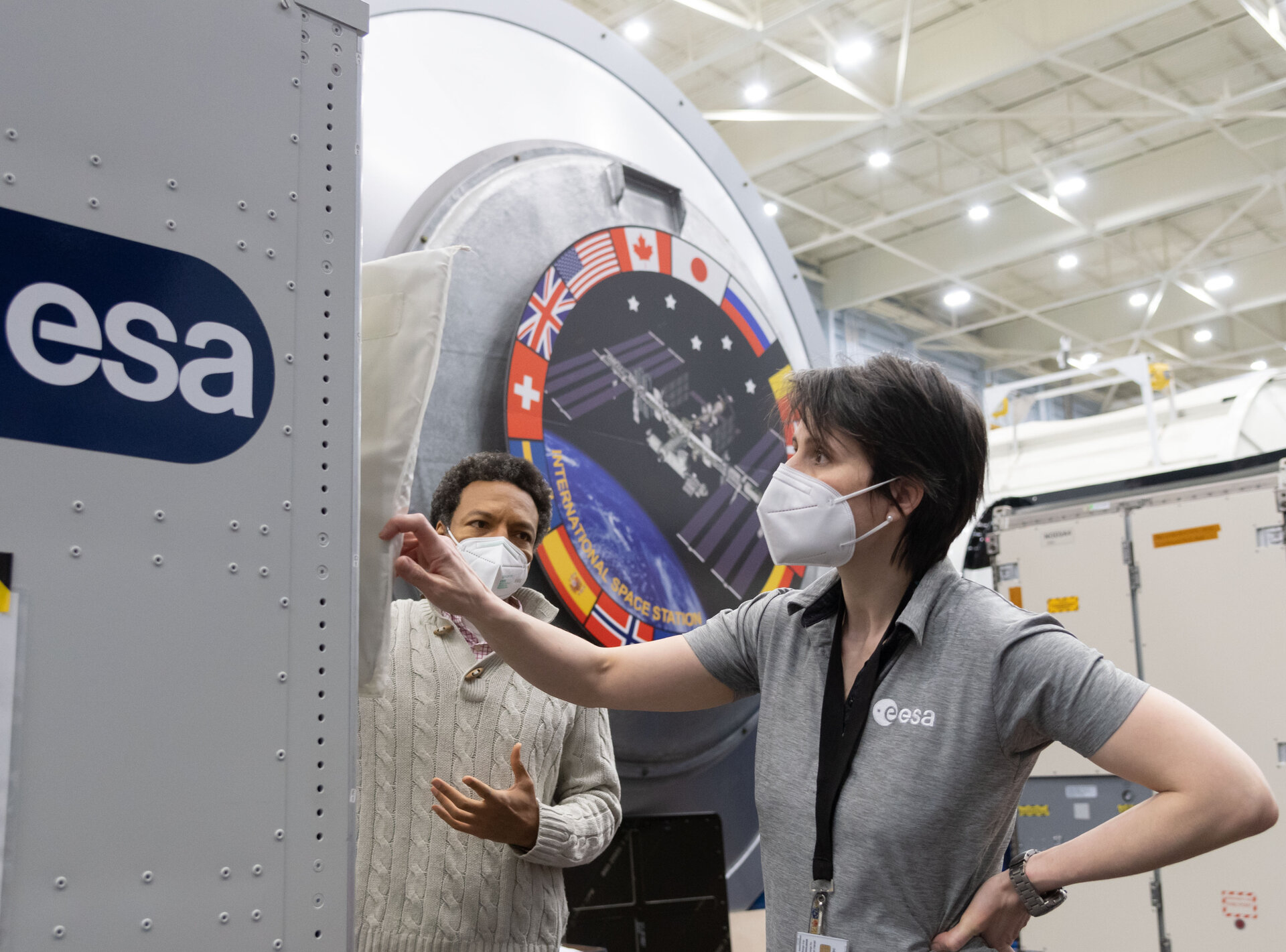
Image Credits: ESA/NASA photographer James Blair